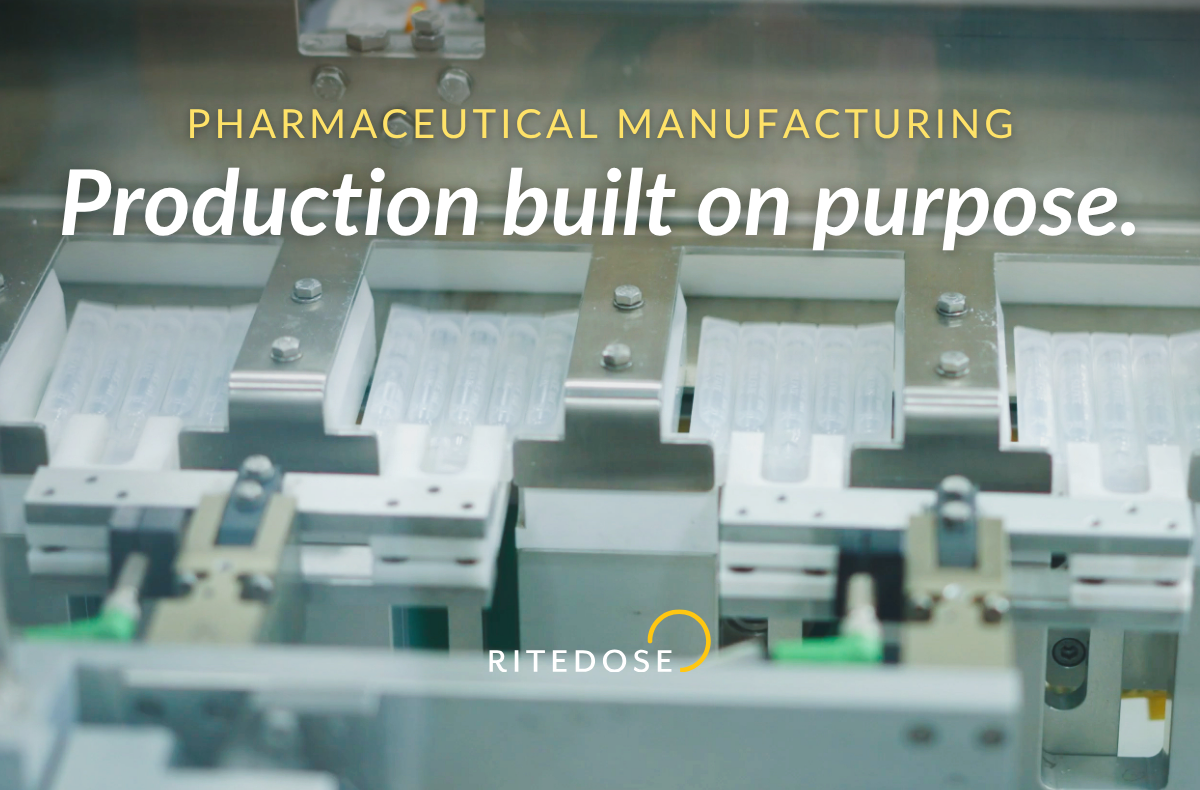
Specialized CDMOs combine precision, agility and scale to meet the evolving needs of complex pharmaceutical manufacturing. This is production on purpose.
The drugs that define the future of pharmaceutical manufacturing are not the ones that serve the largest populations. They are the ones that are hardest to get right. Getting them right requires a manufacturer that combines the precision of specialized production with the scale to serve millions of patients reliably.
Enter a new type of manufacturing. According to DrugPatentWatch, 85 percent of the Contract Development and Manufacturing Organization (CDMO) market is in specialized, precision mid-market companies. This sector of the market depends on specialized, targeted CDMOs for clinical supply chain resilience, reliable manufacturing, and regulatory compliance. For either smaller developers or those in the earlier stages of drug manufacturing, specialized CDMOs are generally more accessible. These types of CDMOs are usually more flexible, can help with troubleshooting, and can make changes much more quickly than very large manufacturers who have set processes and procedures.
What does a specialized CDMO do?
Specialized manufacturers usually specialize in complex, lower-volume drug development and production. Drugs include sterile injectables, ophthalmic solutions, or any product that must follow specific manufacturing methods. These are often biologicals but also include small molecule drugs that require sterile fill-finish or aseptic processing, such as preservative-free ophthalmic treatments.
Targeted CDMOs are providing more agile, focused approaches to manufacturing as the entire pharmaceutical and biotech industries move away from the “one size fits all” model of drug development
What Ritedose is doing
While Ritedose is the largest U.S.-based CDMO using sterile, precision-driven Blow-Fill-Seal (BFS) technology to manufacture drugs, we are prioritizing our ability to retain agility and adapt to new clients and drug classes, as well as economic and geopolitical conditions. These agile processes enable the development of valuable specialized drugs and aseptic processing of these more targeted products.
For example, earlier this year Ritedose announced we entered a partnership with TenPoint Therapeutics Ltd., to manufacture its new drug Yuvezzi™, the first (and only) dual-agent FDA-approved eye drop to treat presbyopia, an eye condition (impaired closeup vision) affecting 128 million Americans. Ophthalmic drugs must be manufactured under strict aseptic conditions because of the unique environment of the eye.
Meanwhile, we are continuing with our innovative, agile and reliable manufacturing of respiratory drugs for various diseases, including Ohtuvayre®, a first-in-class, steroid-free maintenance treatment for COPD in adults, and generic Tobramycin, which treats infections of Pseudomonas aeruginosa, a common bacterial infection among cystic fibrosis patients.
Targeted isn’t always small
It’s a common misconception that targeted, specialized manufacturing addresses only rare diseases or small subsets of more common ones. As noted, presbyopia affects more than one hundred million Americans, and COPD affects 11 million in the United States alone. These are significant products that could potentially yield billions in revenues for their makers. And their manufacturing needs to be commercially viable.
There’s no room for bloat. Processes must be efficient and intensified, with greater continuity. Precision-driven processes also plays a strong role, speeding up processing while reducing errors and the risk of contamination. It’s also necessary to optimize the production of starting ingredients, reliably sourcing every part of the supply chain, and using these ingredients and processes in the most cost-effective (yet safe and dependable) way possible.
CDMOs can achieve viability in several ways, using their agility to create a process that works for the manufacturer, drug sponsor, providers and patients. Firms have looked at making manufacturing more product-agnostic so that processes can be used over a wider range of products. They have also looked at repurposing certain materials to manage costs. Still others, including Ritedose, have invested in digital innovations and advanced technologies, including artificial intelligence/large language models, to increase efficiency.
One important fact that the move away from mass-market drug development has revealed is that historically, the drug-manufacturing industry is not very standardized. Suppliers have been used to working in silos, and manufacturers have services, technologies and products from a wide range of vendors. There is now clearly a need to make product transfers seamless, by integrating equipment, data and software.
What to look for in a specialized CDMO
The future of pharmaceutical manufacturing will need to be flexible, adaptable, efficient and above all have quality built into every step. Building relationships and trust is key to how we operate at Ritedose. We have a 25-year history of reliable, safe and on-time manufacturing with our customers. To achieve this level of trust, it’s important to make sure a CDMO’s strengths sync with what you need for your current stages of drug development. Here, we work with our drug-manufacturing customers to ensure we make the right mix together.